
Enough Cast: A Deep Dive into the Stars Behind the Powerful 2002 Thriller

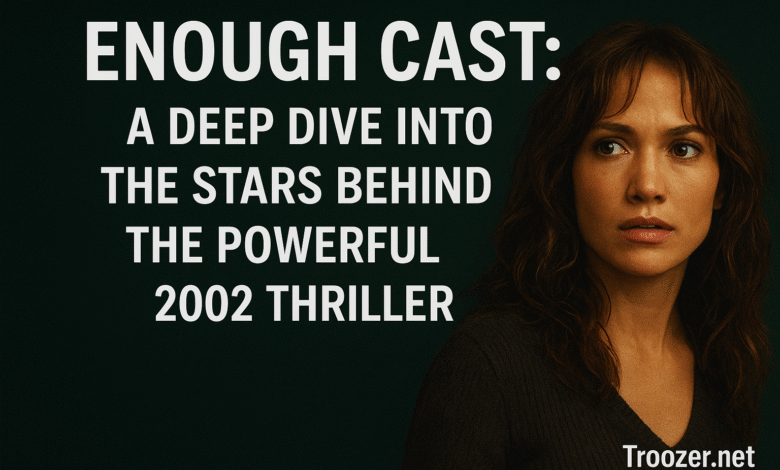
The Enough cast remains one of the most memorable ensembles in early 2000s cinema—primarily because the film delivered more than just a gripping storyline. Released in 2002, Enough is a suspense-drama that follows the emotional and physical journey of a woman breaking free from domestic abuse. With its intense plot and impactful messaging, the film’s strength lies heavily in the performances of its cast members. Each actor brings nuance, authenticity, and depth to their roles, elevating the narrative from a simple thriller to an empowering cinematic experience.
In this article, we explore the Enough cast, their characters, and how their performances contributed to the film’s lasting impact on audiences worldwide.
Jennifer Lopez as Slim Hiller: A Career-Defining Performance
At the heart of the film is Jennifer Lopez, who plays the lead role of Slim, a young waitress whose life takes a sharp turn when she marries a seemingly perfect man who later becomes abusive. Lopez’s portrayal is raw, emotional, and courageous. While Lopez was already a superstar in music and film, her role in Enough showcased her versatility as an actress.
She captures the vulnerability of a woman trapped in a violent relationship, while also portraying an inspiring transformation into a resilient survivor. Lopez trained extensively in Krav Maga for the film, making her fight scenes powerful and believable. Many critics and fans consider Slim one of her strongest screen performances.
Billy Campbell as Mitch Hiller: The Chilling Antagonist
Every compelling hero needs an equally compelling villain, and Billy Campbell delivers exactly that in his role as Mitch Hiller, Slim’s abusive husband. His performance is disturbingly convincing—portraying a charming yet manipulative man who becomes increasingly controlling and violent.
Campbell’s calm demeanor paired with his character’s simmering rage makes Mitch one of the most unsettling antagonists in domestic-abuse-themed films. His performance didn’t rely on over-the-top displays of anger; instead, he used subtle expressions and calculated dialogue to convey the quiet terror that Slim faces. This balance of charm and cruelty helped solidify his role as a memorable villain in early 2000s cinema.
Tessa Allen as Gracie Hiller: The Innocent Heart of the Story
Playing the role of Slim and Mitch’s daughter, Tessa Allen brought a sense of innocence and emotional weight to the film. As Gracie, she becomes Slim’s biggest motivation to escape her abusive marriage. Allen’s youthful innocence allows viewers to feel the urgency and fear Slim experiences as she tries to protect her child from danger.
Despite her young age, Tessa Allen delivered a natural and authentic performance. Her character not only deepens the emotional impact but also helps humanize Slim’s fierce determination, making the mother-daughter relationship one of the most touching elements in the film.
Juliette Lewis as Ginny: The Unfiltered Best Friend
Juliette Lewis, known for her bold and quirky roles, appears as Ginny, Slim’s outspoken and loyal best friend. Lewis brings a refreshing energy to the film, balancing moments of intensity with wit and humor. Her character acts as Slim’s emotional support system during the toughest times, offering both comfort and reality checks.
Though Ginny is a supporting character, Lewis’s strong performance ensures she remains memorable. She plays a vital role in grounding the story and highlighting the importance of friendship during abusive situations.
Dan Futterman as Joe: The Trusted Ally
In the role of Joe, Slim’s longtime friend, Dan Futterman adds depth and emotional complexity to the story. Joe becomes a pillar of support when Slim’s life spirals into chaos. His calm and empathetic nature offer the audience a breath of relief from the tension created by Mitch’s violent actions.
Futterman’s portrayal is warm and understated, allowing the character to shine without overshadowing Slim’s journey. His scenes add a sense of comfort and safety, emphasizing the importance of having trustworthy people in moments of crisis.
Noah Wyle as Robbie: A Surprising Supporting Role
Another notable name in the Enough cast is Noah Wyle, who appears as Robbie, Slim’s co-worker and friend. Although his role is smaller compared to other characters, Wyle’s presence adds realism and familiarity to Slim’s world. His character embodies the everyday people who witness danger but are unsure how to help, making his role subtle yet meaningful.
The Enough Cast Lasting Impact
One of the reasons the Enough cast continues to attract attention decades later is the film’s message. Domestic abuse is a sensitive and serious issue, and the cast handled it with honesty, respect, and emotional depth. Jennifer Lopez’s transformation from a fearful wife to a powerful survivor inspired many viewers. Billy Campbell’s portrayal of abusive behavior sparked discussions about the warning signs of toxic relationships. The supporting cast further strengthened the film’s emotional and social impact.
The chemistry among the cast members—whether positive or negative—made the film feel authentic. From emotional breakdowns to intense fight scenes, each performance contributed significantly to the film’s success.
Read More: Goosebumps Series Cancelled on Disney+: What Really Happened and What It Means for Fans
Conclusion
The Enough cast delivered performances that turned a suspenseful drama into a timeless story of resilience and empowerment. Jennifer Lopez’s standout portrayal of Slim, Billy Campbell’s chilling villainy, and the exceptional contributions of the supporting actors make Enough a film that still resonates today. Their work not only captivated audiences but also shed light on a topic that affects millions of people worldwide.
The strength of the Enough cast lies in their ability to transform a personal story into a universal message—one of courage, healing, and the fight for freedom.