Koriandri: A Timeless Botanical Treasure with Powerful Culinary and Wellness Benefits

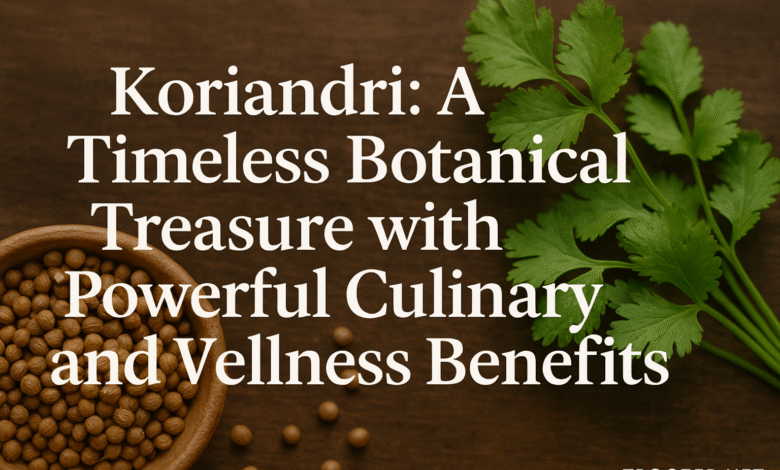
Koriandri—a term often used to describe coriander in its various cultural forms—has been cherished for centuries as one of the world’s most versatile and beneficial herbs. From ancient civilizations that revered it as a medicinal treasure to modern kitchens where it enhances dishes with its signature aroma, koriandri holds a remarkable place in global history. Today, it continues to grow in popularity not just as a flavorful ingredient, but also as a natural remedy and a symbol of holistic living. This article explores the origins, uses, benefits, and cultural richness behind koriandri, shedding light on why it remains a staple in homes and traditions around the world.
What Is Koriandri?
Koriandri refers to the entire coriander plant—including its seeds, leaves, stems, and even roots—depending on the regional linguistic context. In many cultures, the word is used interchangeably with coriander or cilantro. While the green leafy part is known for its fresh, citrusy flavor, the seeds carry a warm, nutty, and slightly sweet taste that complements countless dishes.
Botanically known as Coriandrum sativum, koriandri is part of the Apiaceae family. It is closely related to parsley, celery, dill, and cumin, all of which share strong aromatic profiles and similarly broad uses.
A Journey Through History: The Ancient Roots of Koriandri
The history of koriandri stretches back more than 7,000 years. Ancient civilizations, including the Egyptians, Greeks, and Romans, valued it not only for cooking but also for medicinal and spiritual purposes.
-
Egyptians placed coriander seeds in tombs as offerings to the gods, believing it aided in the journey to the afterlife.
-
Greeks and Romans used it in perfumes, wines, and medicinal concoctions.
-
In Asia, koriandri became an essential spice in Ayurvedic and Chinese medicine due to its cooling, digestive, and detoxifying properties.
This deep historical footprint reveals koriandri’s importance in human cultivation and hints at why it remains indispensable today.
Culinary Importance of Koriandri
One of the strongest reasons koriandri is beloved worldwide is its incredible culinary versatility. Every part of the plant offers distinct flavors and uses.
1. Koriandri Leaves (Cilantro)
Fresh and aromatic, the leaves are used in:
-
South Asian curries and chutneys
-
Mexican salsas and tacos
-
Middle Eastern salads
-
Soups, marinades, and garnishes
Their bright, citrusy taste adds freshness to both cold and hot dishes.
2. Koriandri Seeds
Coriander seeds deliver warm spice notes ideal for:
-
Pickling blends
-
Spice mixes like garam masala
-
Baked goods
-
Meat and vegetable rubs
-
Herbal teas
When roasted and ground, they contribute a depth of flavor that elevates countless recipes.
3. Stems and Roots
Often overlooked, the stems and roots of koriandri are culinary gold, especially in Southeast Asian cuisine. They add a bold, earthy flavor to curry pastes, broths, and marinades.
Nutritional Profile of Koriandri
Koriandri is packed with nutrients while being low in calories. It contains:
-
Vitamin C
-
Vitamin K
-
Vitamin A
-
Potassium
-
Fiber
-
Antioxidants like quercetin
These compounds support overall wellness and enhance the herb’s therapeutic potential.
Health Benefits of Koriandri
Beyond its culinary value, koriandri offers numerous medicinal benefits:
1. Supports Digestion
Both leaves and seeds help stimulate digestive enzymes, reduce bloating, and calm indigestion. Coriander tea is often used to relieve stomach discomfort naturally.
2. Rich in Antioxidants
Koriandri contains substances that fight oxidative stress, reducing the risk of chronic diseases and cellular damage.
3. Natural Detoxifying Properties
Coriander is known for its ability to help remove heavy metals like lead and mercury from the body, making it a gentle detox herb.
4. Helps Balance Blood Sugar
Studies suggest that coriander seeds may assist in lowering blood sugar, making them beneficial for individuals managing glucose levels.
5. Anti-Inflammatory Effects
The herb contains compounds that help reduce inflammation, supporting joint health and overall wellness.
6. Supports Heart Health
Koriandri’s potassium content, antioxidant properties, and ability to reduce bad cholesterol contribute to cardiovascular support.
Cultural and Spiritual Symbolism
In many cultures, koriandri is more than food—it symbolizes health, purity, and prosperity. Traditional healers have long used it in rituals for cleansing and protection, while cooks treat it as a sacred herb that brings flavor and positive energy to their dishes.
In South Asian households, koriandri is such an essential part of daily cooking that a kitchen without it feels incomplete.
Modern Uses of Koriandri
Today, koriandri finds its way into modern lifestyles through:
-
Herbal cosmetic products
-
Essential oils
-
Nutritional supplements
-
Detox drinks
-
Organic gardening and sustainable farming
Its global popularity continues to soar as people seek natural solutions for both health and flavor.
Read More: Mariano Iduba: A Rising Visionary Redefining Leadership, Innovation, and Positive Impact
Conclusion
With its rich history, powerful medicinal qualities, and extensive culinary uses, koriandri remains one of humanity’s most valuable plants. Whether enhancing a hearty meal, soothing the digestive system, or contributing to modern wellness practices, koriandri proves that sometimes the simplest herbs carry the greatest impact.
As more people return to natural living and holistic health, koriandri stands as a true botanical treasure—one that nourishes the body, delights the senses, and connects us to ancient traditions that continue to enrich our world today.