How to Determine Safe Separation Distance Between Transformers and Blast Walls?

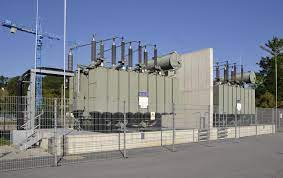
Determining the safe separation distance between transformers and blast walls is a crucial part of electrical substation design and industrial safety planning. This distance ensures that, in the event of an explosion or fire, damage is contained and adjacent equipment or structures remain protected. When correctly calculated, the separation allows heat, pressure, and debris to dissipate safely without causing secondary failures. These calculations depend on transformer size, oil volume, fire risk, wall height, and environmental factors. Establishing accurate spacing not only prevents catastrophic chain reactions but also enhances system reliability and personnel safety across power generation and distribution facilities.
Key Factors That Influence Safe Separation Distance
Several critical factors determine the optimal distance between transformers and their protective blast walls. The first is the potential energy released during a failure, which is influenced by the transformer’s capacity and oil content. Larger transformers contain more insulating oil, which can lead to higher explosion pressure and larger fireballs. Wall height and material strength also play major roles, as taller, thicker walls can absorb more energy and deflect debris farther. Wind direction, site layout, and nearby infrastructure further affect design considerations. Engineers must ensure the wall is close enough to protect the transformer, yet far enough to prevent reflected pressure waves from damaging it. This balance ensures maximum protection with minimal interference to operations. Determining safe spacing is therefore a complex process that requires precise calculations and site-specific adjustments to maintain both functionality and safety.
Engineering Guidelines and Industry Standards
Safe separation distance calculations follow established engineering guidelines and international safety codes. Standards from organizations such as IEEE, IEC, and NFPA provide reference values for spacing, material strength, and wall configurations. Typically, engineers calculate the potential blast radius using energy equations based on oil volume, fault current, and venting characteristics. The resulting data determines how far the wall should stand to protect adjacent transformers without amplifying blast effects. Consulting with fire barrier experts ensures that the design accounts for both thermal radiation and mechanical impact, as each hazard behaves differently. The wall must block flames and radiant heat while redirecting pressure safely upward or away from critical areas. Industry practices also consider maintenance access, allowing enough room for personnel and equipment to operate without compromising safety. Compliance with these standards is essential to achieving a reliable design that mitigates the risks associated with high-energy transformer faults.
Balancing Safety with Space Efficiency
Space constraints are a major consideration in modern substations and industrial facilities. Land availability, layout design, and cost often push engineers to find the most efficient way to balance safety and practicality. The goal is to minimize the footprint while ensuring that fire and explosion hazards are adequately controlled. Engineers may use computational fluid dynamics (CFD) simulations to model blast behavior and verify the effectiveness of proposed distances and wall heights. These simulations help visualize flame spread, pressure distribution, and thermal radiation patterns, providing valuable data for fine-tuning wall placement. Properly optimized spacing reduces unnecessary material costs without sacrificing protection. In some cases, angled or segmented blast walls are installed to enhance deflection efficiency while occupying less space. By carefully assessing environmental and operational needs, designers can achieve a safe, cost-effective layout that preserves both functionality and safety integrity.
Role of Wall Height and Structural Integrity
The height of the blast wall is one of the most influential factors in determining separation requirements. A taller wall offers more shielding but can also reflect energy toward the transformer if placed too close. The wall’s structural integrity must withstand both the initial explosion and the prolonged heat of a fire. Reinforced concrete, steel, and composite materials are commonly used, with thickness and reinforcement tailored to the transformer’s energy potential. Proper foundation anchoring ensures that the wall remains stable under pressure. Wall openings for ventilation or cable access must be minimized or reinforced to maintain fire resistance. The geometry of the wall, including curvature and alignment, also affects how pressure waves dissipate. Each design detail—height, material, spacing—works in harmony to ensure the wall fulfills its function without introducing secondary hazards.
Thermal Radiation and Fire Exposure Considerations
Thermal radiation from a transformer fire can cause severe damage to nearby structures and equipment, even without direct contact with flames. To prevent heat transfer, the separation distance must account for the intensity of radiant energy and the duration of potential exposure. Engineers use fire dynamic models to estimate safe distances based on transformer oil volume, expected flame height, and wind direction. Fire-resistant coatings and reflective surfaces on blast walls further enhance protection by reducing heat absorption. The inclusion of cooling gaps between transformers and walls helps dissipate heat more effectively. In high-risk installations, double-layered barriers or radiation shields may be implemented to provide additional safety. By managing thermal exposure through precise spacing and material selection, facilities can effectively contain fires while preserving the integrity of nearby transformers and electrical equipment.
Environmental and Site-Specific Adjustments
No two transformer installations are identical, which is why site-specific conditions must always influence the design of separation distances. Factors such as local climate, soil type, terrain slope, and prevailing wind direction can significantly alter how fire and blast energy behave. In coastal or high-humidity environments, materials must also resist corrosion and moisture infiltration. Urban settings may require additional acoustic barriers or structural reinforcements to minimize vibration impact on nearby buildings. At high altitudes, reduced air density affects flame spread and heat dissipation, requiring recalibration of standard distances. Environmental risk assessments, including potential lightning strikes or flooding, should be integrated into the design to ensure comprehensive protection. Tailoring the approach to each location ensures that the separation distances remain both safe and practical under real-world conditions.
Maintenance, Monitoring, and Periodic Review
Even the most precisely designed transformer installations require ongoing inspection and maintenance to ensure safety standards remain intact. Over time, wall materials can deteriorate from exposure to heat, moisture, or mechanical stress. Regular assessments verify that the wall’s structural integrity and spacing remain effective. Technological advancements, such as remote sensors and infrared thermography, now allow engineers to monitor temperature, vibration, and pressure changes in real time. These systems detect early warning signs of deterioration or overload, prompting preventive maintenance before issues escalate. Additionally, any system upgrades or transformer replacements should trigger a reassessment of separation distances to confirm ongoing compliance with current safety codes. Consistent monitoring helps maintain the protective function of blast walls, ensuring long-term reliability and operational safety for both personnel and equipment.
Determining safe separation distances between transformers and blast walls is a complex balancing act between engineering precision, environmental awareness, and regulatory compliance. Proper spacing ensures that in the event of an explosion or fire, energy is contained and neighboring equipment remains unaffected. Through careful design based on transformer capacity, material strength, and site-specific variables, engineers can protect critical infrastructure while maintaining efficiency. Collaboration among design teams, safety engineers, and maintenance personnel ensures that these safety measures remain effective throughout a facility’s life. Ultimately, establishing and maintaining proper separation distances is an investment in reliability, safety, and the long-term protection of essential electrical assets.