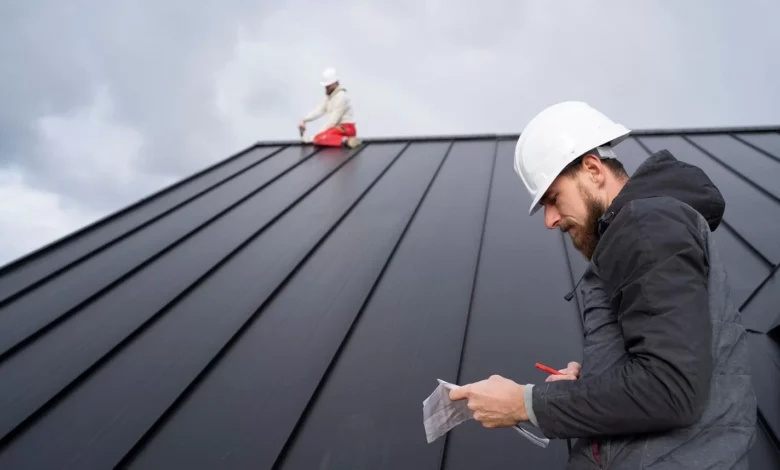
Choosing the right roofing materials is one of the most important decisions homeowners make when planning repairs or replacements. Roofing materials affect the home’s durability, energy efficiency, appearance, and maintenance needs for many years. With so many options—from asphalt shingles and metal panels to clay tiles and synthetic systems—many homeowners feel uncertain about where to begin. Working closely with a roofing contractor can simplify the process by helping you understand the strengths and limitations of each material and how they perform in your climate. With proper guidance, you can select materials that complement your home’s architecture and provide the long-lasting protection your property needs.
Understanding Roofing Options
The first step in selecting the right roofing materials is understanding the various options available and how they respond to weather, temperature changes, and long-term wear. Asphalt shingles remain a popular choice because of their affordability, versatility, and wide range of styles. Metal roofing is valued for its durability, low maintenance needs, and ability to reflect sunlight, helping reduce energy usage. Clay and concrete tiles are known for strength and long-term longevity, while synthetic roofing systems offer advanced durability with lightweight construction. Each material has its own set of benefits and ideal environments, so choosing one requires careful thought. Many homeowners research different roofing materials and consult professionals for advice, often reaching out to trusted companies like Three Tree Roofing of Bellevue to better understand performance differences. The right material should match your home’s structure, climate conditions, and long-term expectations for durability and upkeep.
Considering Climate and Environmental Factors
Your home’s climate plays a significant role in determining which roofing material will perform well over time. Areas with heavy rainfall require materials that resist moisture, algae growth, and water penetration. Homes in hot climates benefit from reflective materials that minimize heat absorption and lower indoor temperatures. In colder climates, roofing materials must withstand snow loads, freeze-thaw cycles, and potential ice dams. Metal roofing, for example, performs exceptionally well in snowy regions due to its smooth surface and shedding capability. Clay tiles suit warmer climates because they withstand intense heat without deteriorating. Meanwhile, asphalt shingles offer strong all-weather performance when installed correctly. Fire resistance, wind ratings, and UV exposure should also be considered. Working with a roofing contractor lets you evaluate which materials are best suited to your region’s conditions, helping you avoid premature deterioration or unnecessary repairs. Climate-aware decisions ensure your roof remains strong and dependable for decades.
Balancing Budget and Long-Term Value
Budget is often a major factor when choosing roofing materials, but cost should be evaluated alongside durability and long-term performance. While asphalt shingles tend to be the most affordable upfront, they may need to be replaced sooner than materials like metal or tile. Metal roofing, though more expensive initially, can last decades longer and reduce energy bills, offering long-term savings. Clay and concrete tiles may also come with higher upfront costs but provide exceptional longevity and low maintenance. Synthetic options can offer a balance between affordability and durability, depending on their composition. A roofing contractor can help you compare costs, lifespan, warranty coverage, and maintenance expectations for each option. Selecting a material that aligns with your long-term financial goals helps ensure you receive strong value and dependable protection. Prioritizing long-term performance reduces the need for frequent repairs and enhances your home’s overall structural stability.
Choosing Materials That Complement Your Home
The aesthetic impact of roofing materials is another important consideration. Your roof plays a major role in defining your home’s exterior appearance, so selecting a material that complements the architecture enhances curb appeal and visual harmony. Traditional homes often pair well with asphalt shingles or classic tiles, while modern or contemporary designs may benefit from the sleek lines of metal roofing. Color selection also matters: darker shades create a bold and dramatic look, while lighter tones reflect sunlight and brighten the overall appearance. Texture, shape, and thickness vary widely across roofing materials, allowing homeowners to choose a look that suits their personal preferences and neighborhood style. A roofing contractor can help you compare samples and visualize how different materials will look once installed. By choosing a material that complements your home’s architectural style, you create a cohesive, attractive exterior that adds value and character.
Understanding Material Requirements and Care
Different roofing materials require different installation methods, structural support, and maintenance routines. Clay tiles, for example, are heavier than asphalt shingles and may require reinforcement of the roof structure before installation. Metal panels require precise fastening and proper ventilation systems to prevent condensation. Synthetic materials often require specific installation techniques to ensure long-term performance. Maintenance needs vary as well—metal roofs typically require minimal upkeep, while asphalt shingles may require occasional repair or moss removal depending on climate conditions. Understanding these requirements helps you choose a material that fits your maintenance expectations and lifestyle. Working with a roofing contractor ensures that the installation process follows proper guidelines and that you receive clear instructions for ongoing care. Selecting a material that fits both your structural needs and maintenance preferences supports long-term performance and reduces the risk of future complications.
Selecting the right roofing materials with your contractor involves understanding material performance, climate compatibility, architectural style, budget considerations, and installation needs. Each material offers unique benefits, and working with a knowledgeable professional helps clarify which options align with your long-term goals. By evaluating factors such as durability, energy efficiency, aesthetic appeal, and maintenance requirements, homeowners can make informed decisions that support both beauty and function. Choosing the right roofing material results in stronger home protection, increased property value, and long-lasting satisfaction. With clear guidance and thoughtful planning, you can ensure your new roof enhances your home’s appearance and performance for many years to come.